tweetindex
FR

Jonathon P Sine ✓

@JonathonPSine · joined 12 Sep 2011

"The refusal of one decent man outweighs the acquiescence of the multitude."

12 037Followers
308Following
11 968Posts total
414.4KViews on collected posts

Derniers posts

Greatest medical advance in human history? Germ theory, vaccines, antibiotics, statins, anesthesia, discovery of DNA? I tend to agree with this survey: it's public sanitation. Infrastructure! Clean piped water and sewage disposal. https://t.co/PxUHMcb1DD
743 views · 14 likes · 0 reposts · 1 replies Open on X →
@JonathonPSine I don't think there was any one point where we can say "there were modern nation-states only after". Some of it apparently happened when kings moved toward paid, centralized armies vs. relying on dukes and barons to directly supply troops, a gradual process. 3.2K views · 17 likes · 0 reposts · 2 replies Open on X →
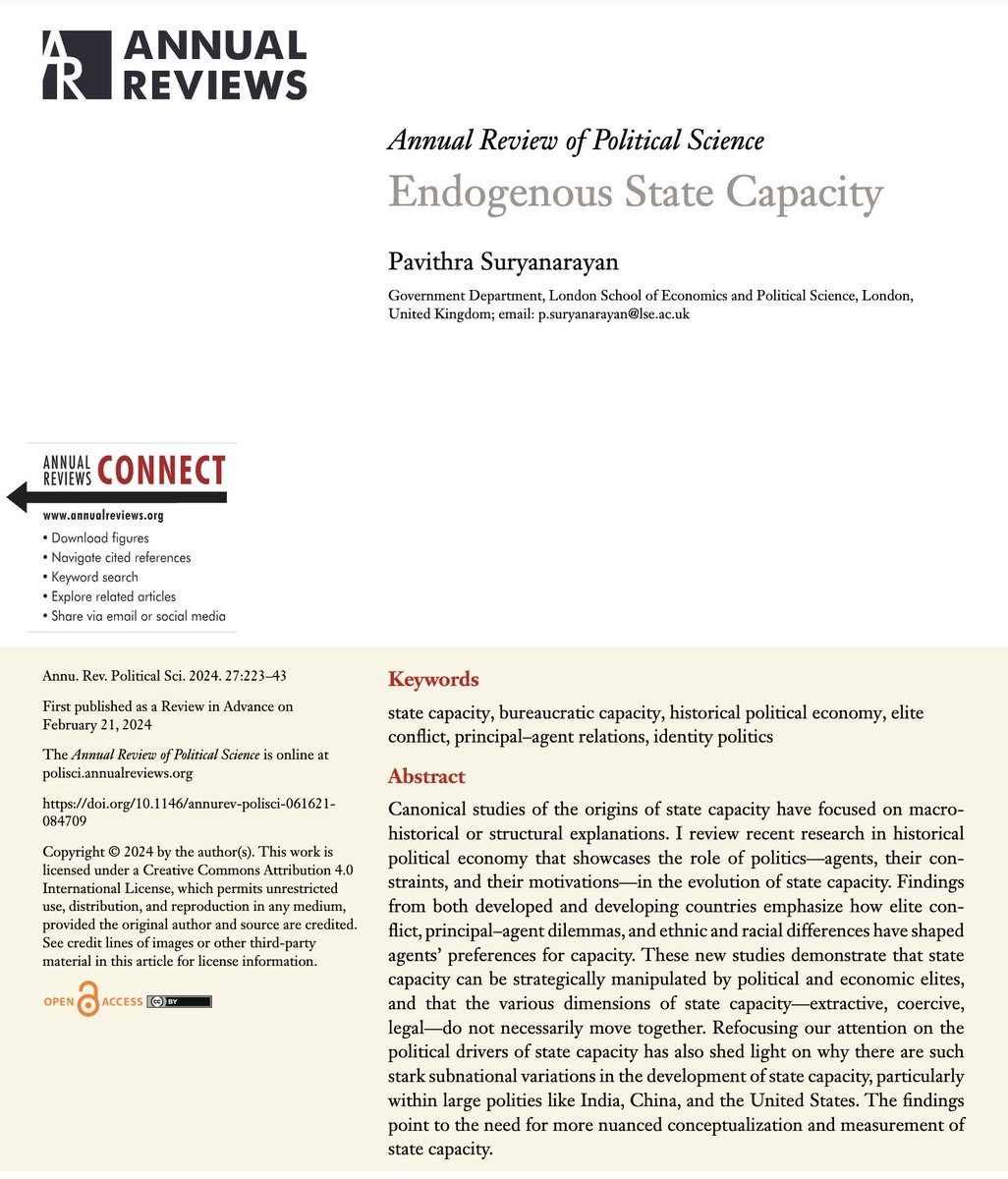
This otherwise good annual review has an ironic blindspot given it's the author's core research area (ethnic differences shaping state capacity): Did Qing dynasty Manchu elite allow state capacity to hollow out to avoid empowering Han bureaucracy? https://t.co/E6rFqSn6Qc
7.6K views · 132 likes · 21 reposts · 1 replies Open on X →
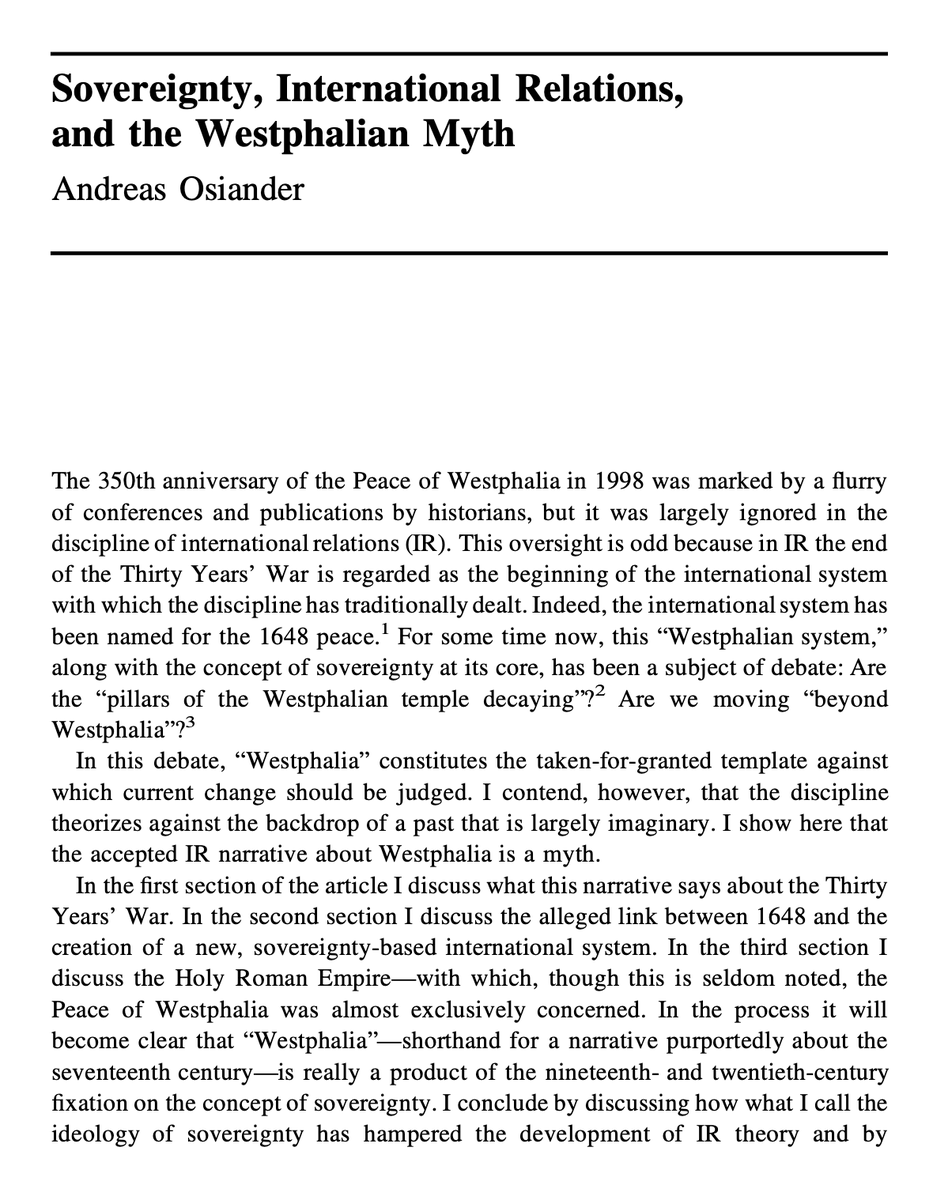
Not a new paper (2001), but as one still often sees the Westphalian myth in the wild, it remains relevant. https://t.co/FOHqccGg2y 8.2K views · 76 likes · 5 reposts · 0 replies Open on X →
Very funny that the routine line about the Treaty of Westphalia being the beginning of a "modern state system based on sovereignty" was apparently just anti-Habsburg propaganda, useful to nationalists across Europe, which 20th century scholars happily endorsed. https://t.co/LcdNn
110K views · 1.3K likes · 165 reposts · 18 replies Open on X →
Very interesting contention: "Although most historical accounts extrapolate America's modern history from its supposed laissez-faire origins in the Gilded Age, no period in America's history was less representative of America's past than th[is] brief era," 1877-1893 (p. 14). ht
19.9K views · 116 likes · 7 reposts · 1 replies Open on X →
@JonathonPSine @tylercowen get this man in EV 297 views · 3 likes · 0 reposts · 0 replies Open on X →
There are a bunch of other books that have great tidbits, some of which are in the essay. But I'll leave it there for now! https://t.co/jHGlMuV2sM 1K views · 11 likes · 0 reposts · 2 replies Open on X →
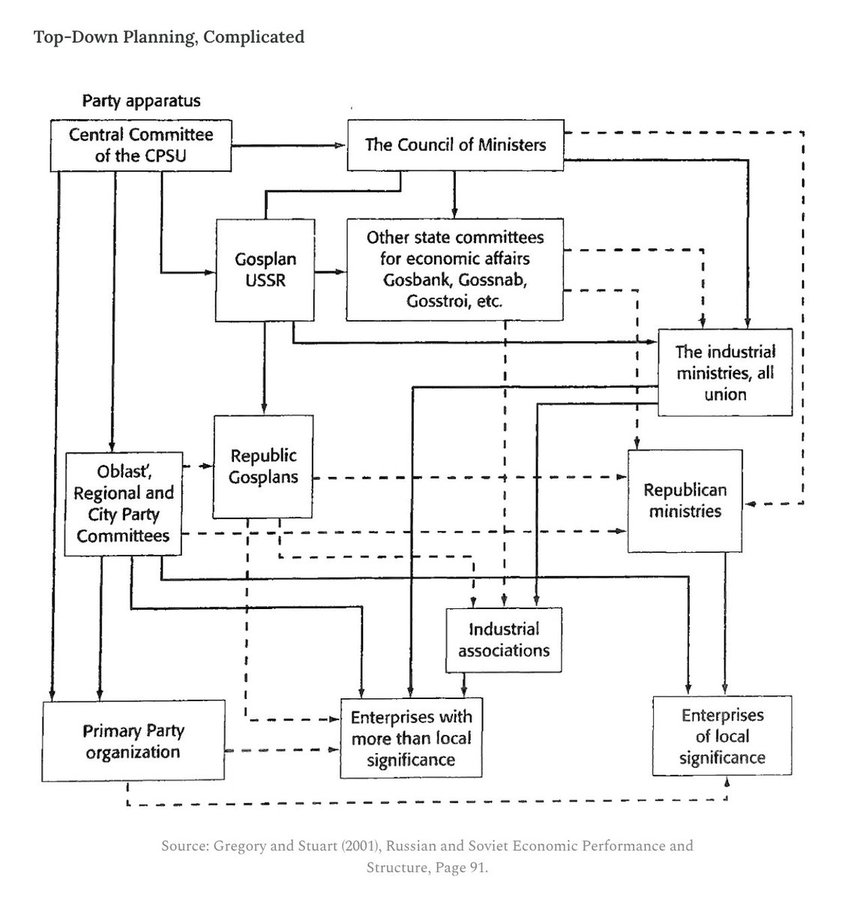
For retrospectives more recent accounts focusing on Soviet political-economy, I recommend these https://t.co/wxFFYHLXhV
1.2K views · 13 likes · 1 reposts · 1 replies Open on X →
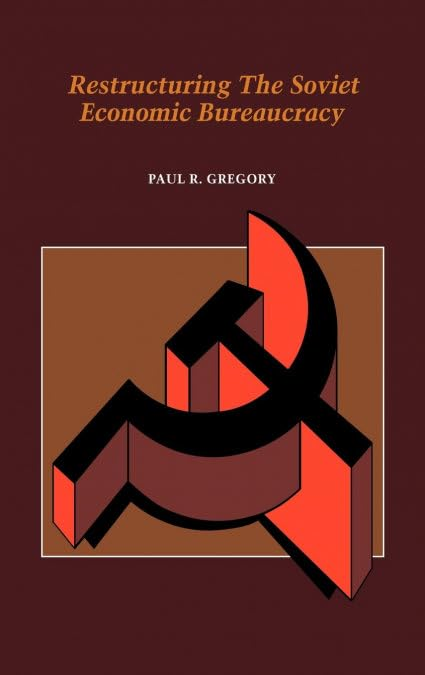
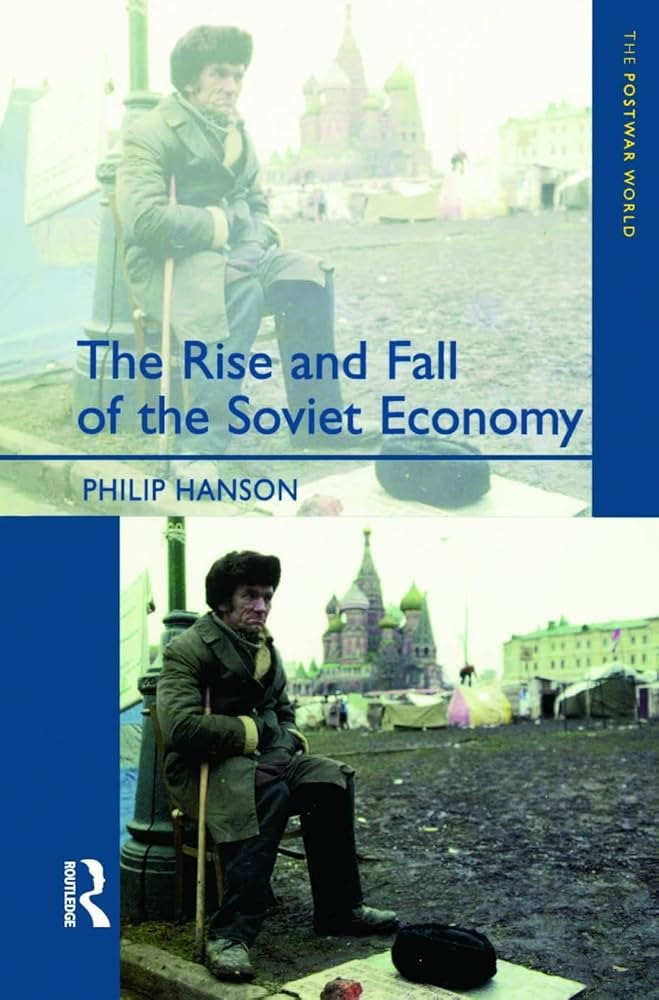
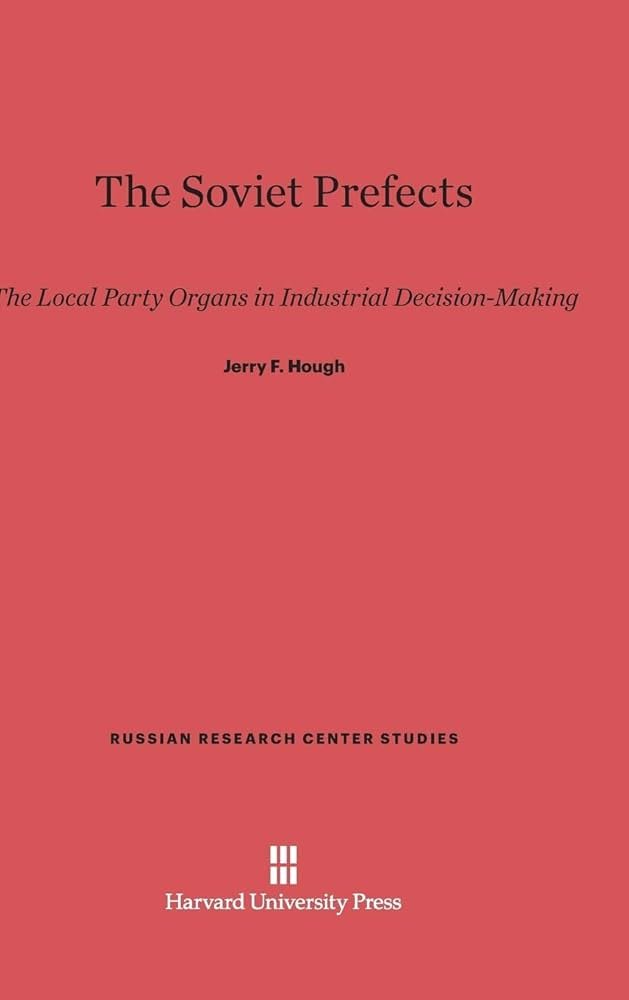
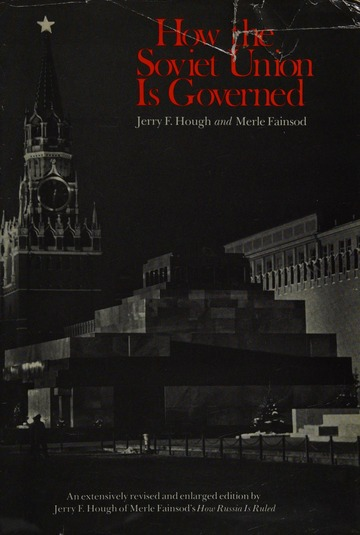
I'm thinking of putting together a syllabus on the Soviet economy For now, these are four of the best resources I found prior to the 1980s to get a sense of the political-economy structure and deep problems https://t.co/DAxgg2tEwm
947 views · 13 likes · 0 reposts · 1 replies Open on X →
The lesson this suggests is not profound but worth reiterating. The leader, his perceptions, and his prescriptions matter tremendously—particularly in Leninist systems. https://t.co/WPONg8Ie05
1.1K views · 12 likes · 1 reposts · 1 replies Open on X →
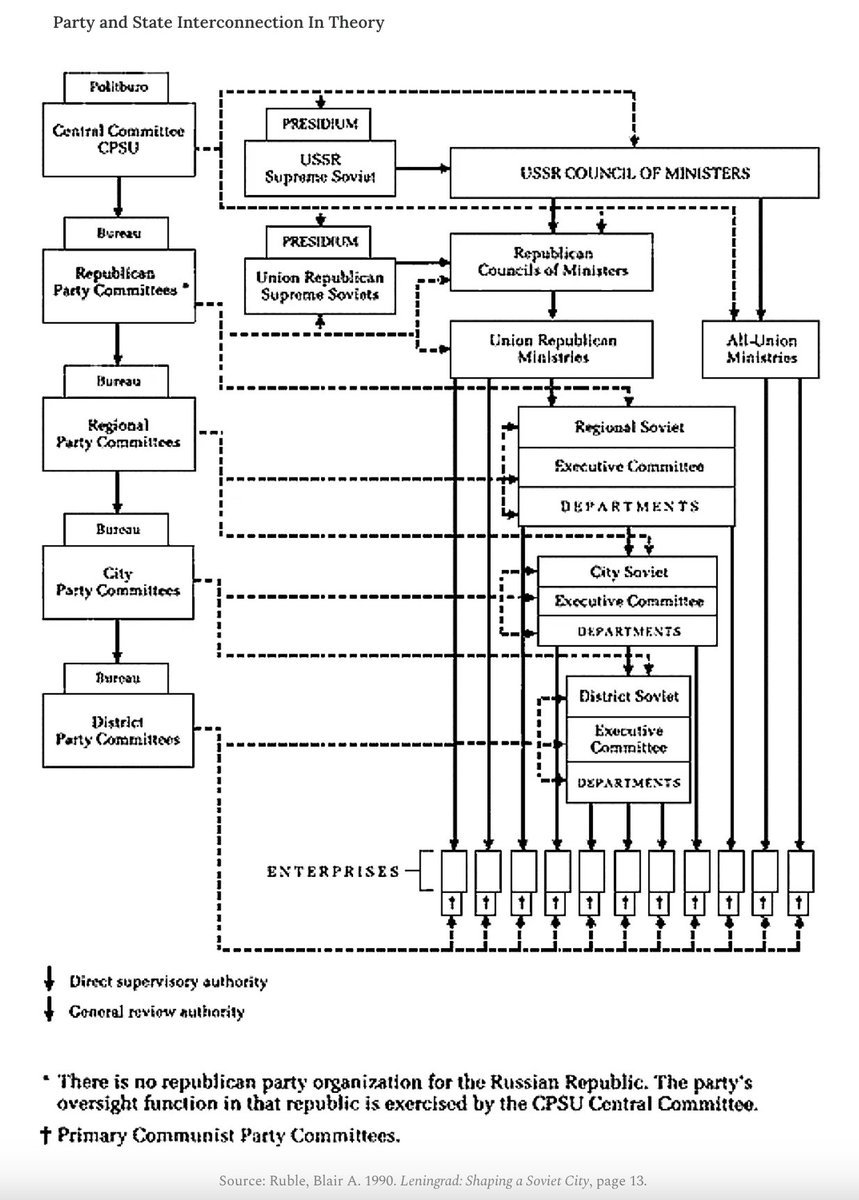
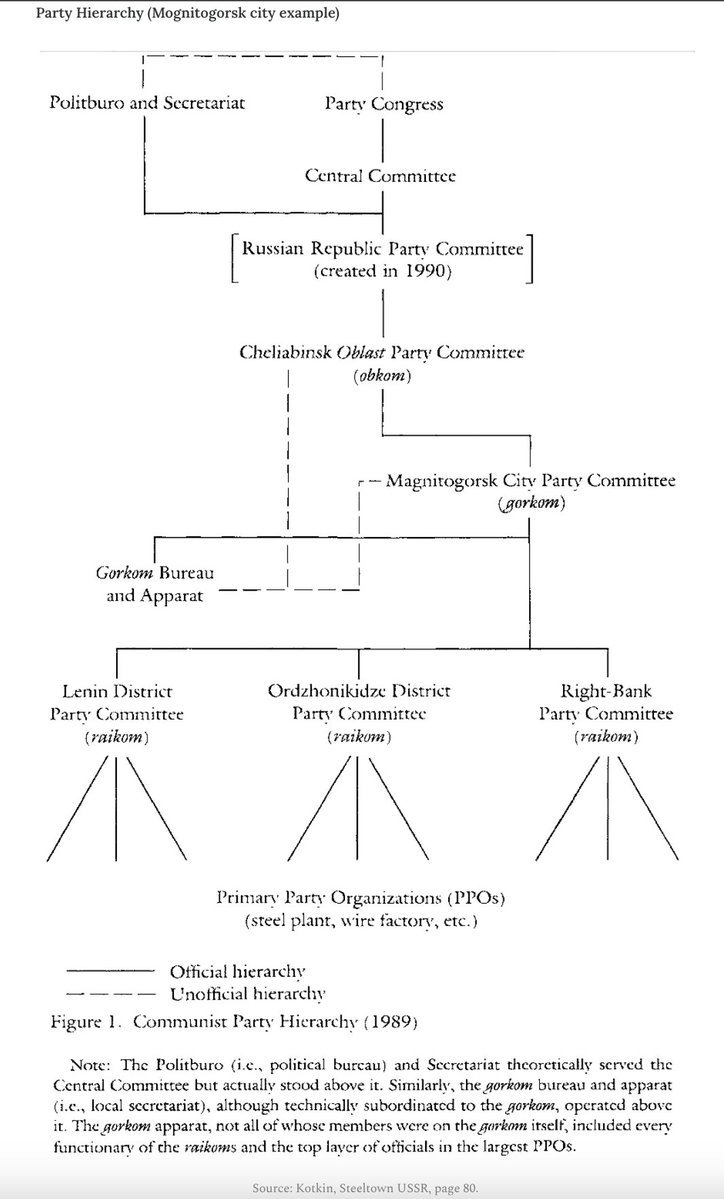
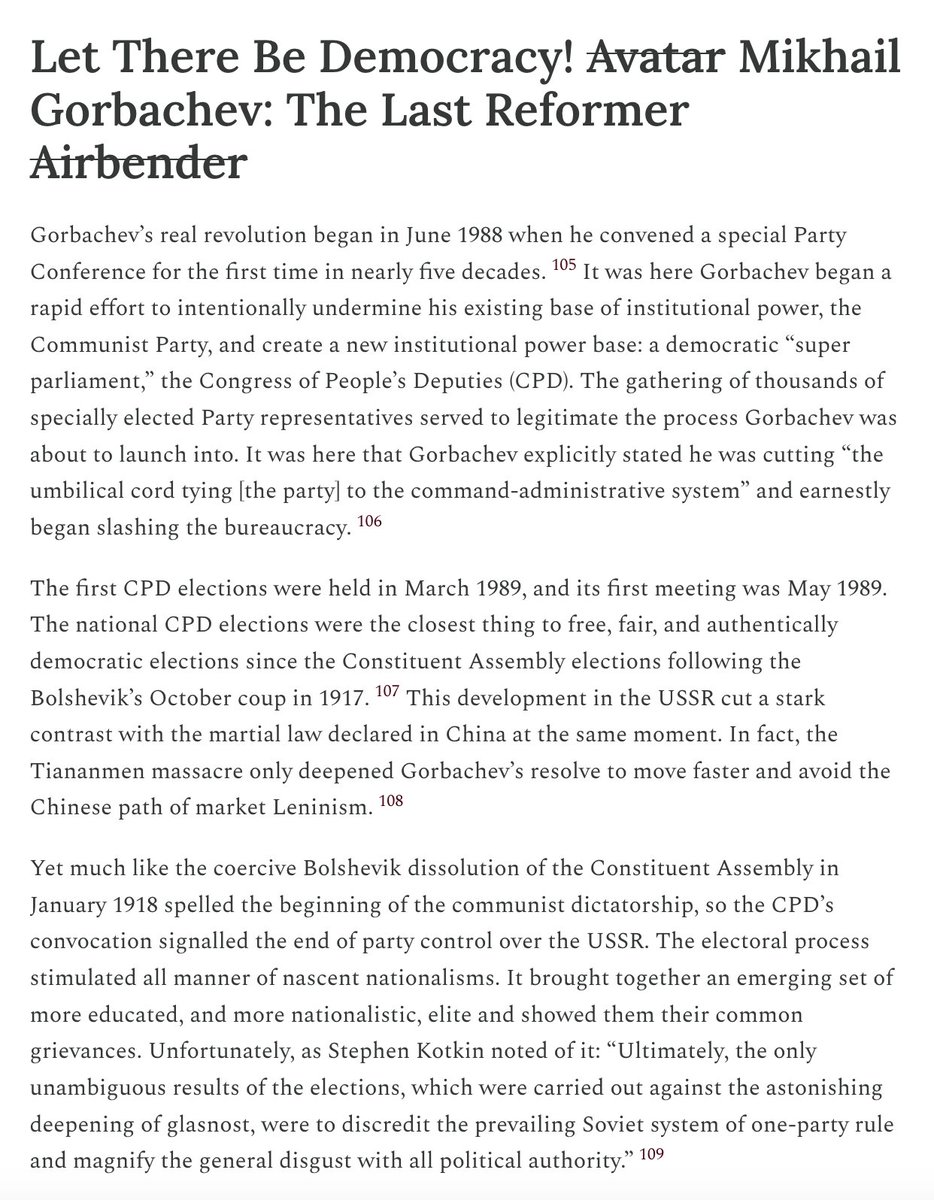
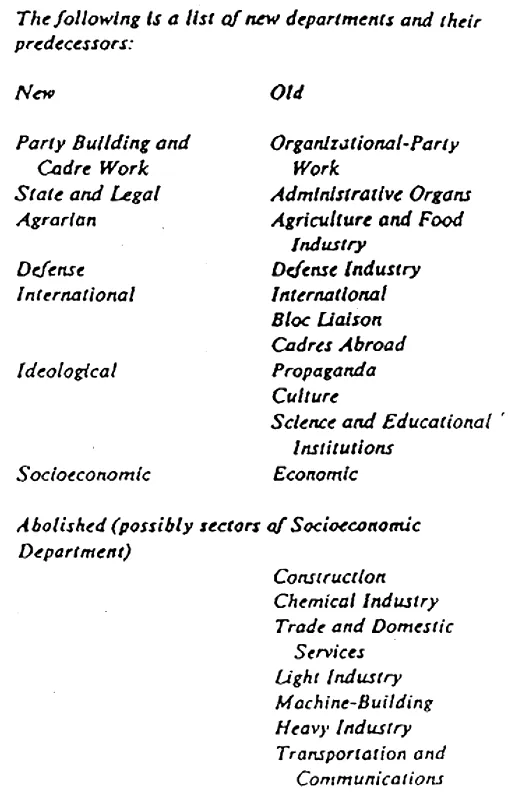
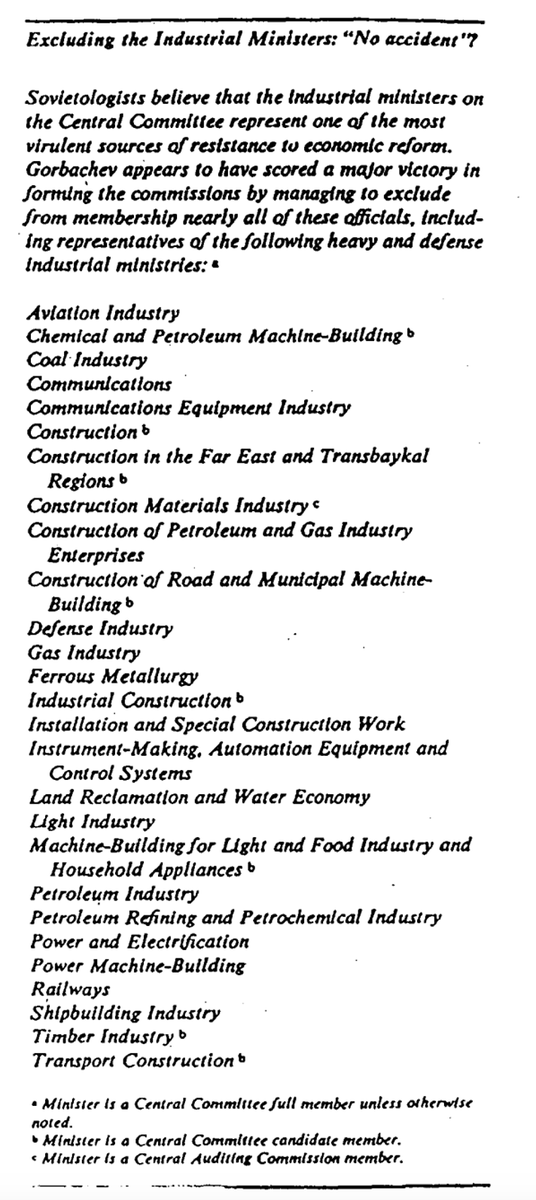
Rather than thinking more carefully about transition, Gorbachev began torching existing institutions of party and state (pictured for reference) in an idealistic, peculiarly revolutionary, hope that a new Soviet society would rise from the ashes. https://t.co/mcs8U6Dht6
1.2K views · 12 likes · 2 reposts · 1 replies Open on X →
In mid-1988 Gorbachev, less than a year after some of his reforms were enacted (Law on State Enterprises and Law on Cooperatives), yet still without price reform, he decided rapid democratization on a nationality basis, at a moment of acute weakness, would make things better http
1.1K views · 13 likes · 2 reposts · 1 replies Open on X →
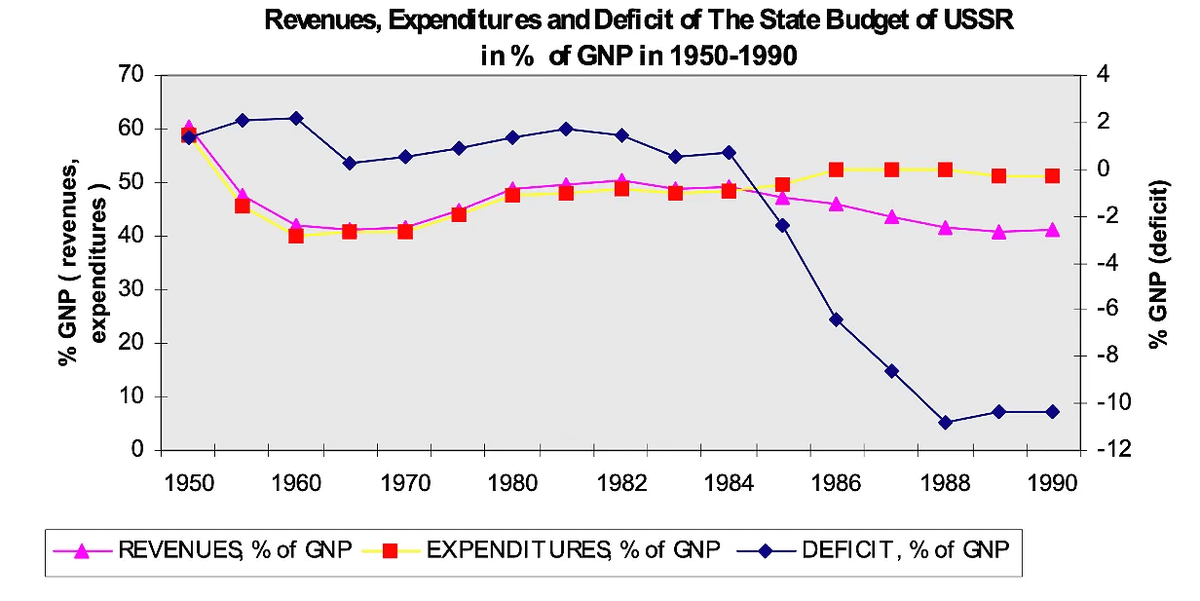
I go into detail on two of the most important 1) the missing price reform and 2) the process of blowing out the budget the crux was Gorbachev brooked few necessary impositions on people because he had a specific belief about how reforms should work that proved disastrous https:/
1K views · 13 likes · 0 reposts · 1 replies Open on X →
Botching reforms did NOT stem from his fear of, or need to compromise with, powerful entrenched interests. Rather he was possessed by a zealous vision of promoting mass enthusiasm for Perestroika! A search for non-existent Pareto improvements! https://t.co/PGP4mFiUf5
1.9K views · 15 likes · 1 reposts · 1 replies Open on X →
The third and final problem is that Gorbachev clearly *did* botch some of the most critical reforms—he sysa so himself in his memoir! Gorby: "However, the recognition of the need to improve the economic mechanism did not go beyond the formula of 'more complete use of the https:
1.2K views · 10 likes · 1 reposts · 1 replies Open on X →
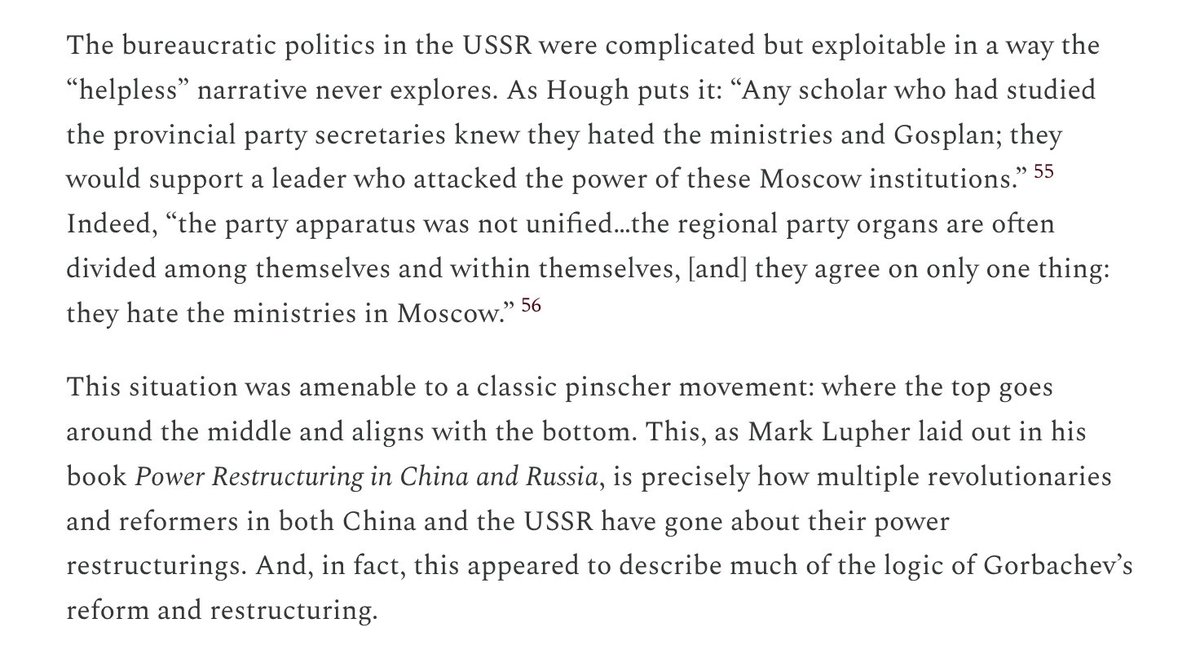
An alternative analysis of internal interests groups and diverging incentives within the CPSU/USSR could lead lead one to see critical cleavages that would be amenable to divide and conquer reforms, a logic not entirely alien to Gorbachev's efforts (contra Zubok). https://t.co/OK
1.1K views · 11 likes · 1 reposts · 1 replies Open on X →
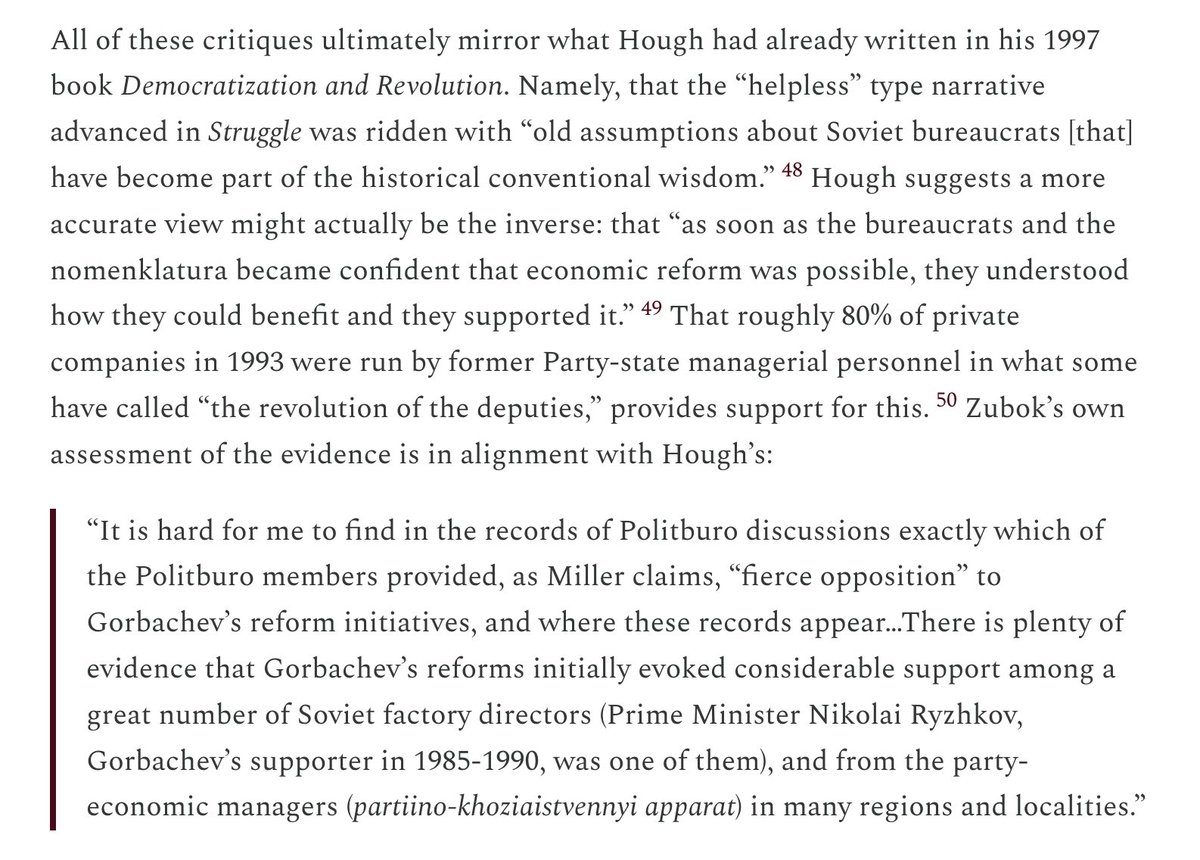
As with China today, one must be conscientious when it comes to analyzing the murky world of entrenched interests and internal Leninist bureaucratic politics. Forr Hough and Zubok, many so-called "entrenched interests" were actually among most eager for reforms! https://t.co/ZPq
1.2K views · 12 likes · 1 reposts · 1 replies Open on X →
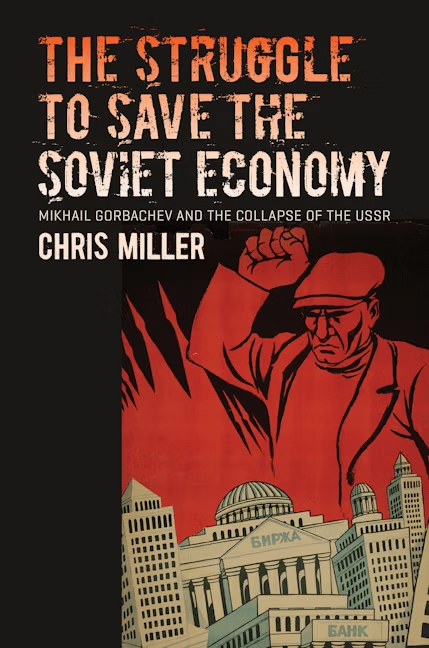
But the second, and bigger, problem is that there is barely any discussion of the "entrenched interests" that blocked reform! Even basic information on the three "complexes" Struggle points to is largely missing. Review after review calls this out. Staggeringly, the only http
1.3K views · 12 likes · 1 reposts · 1 replies Open on X →
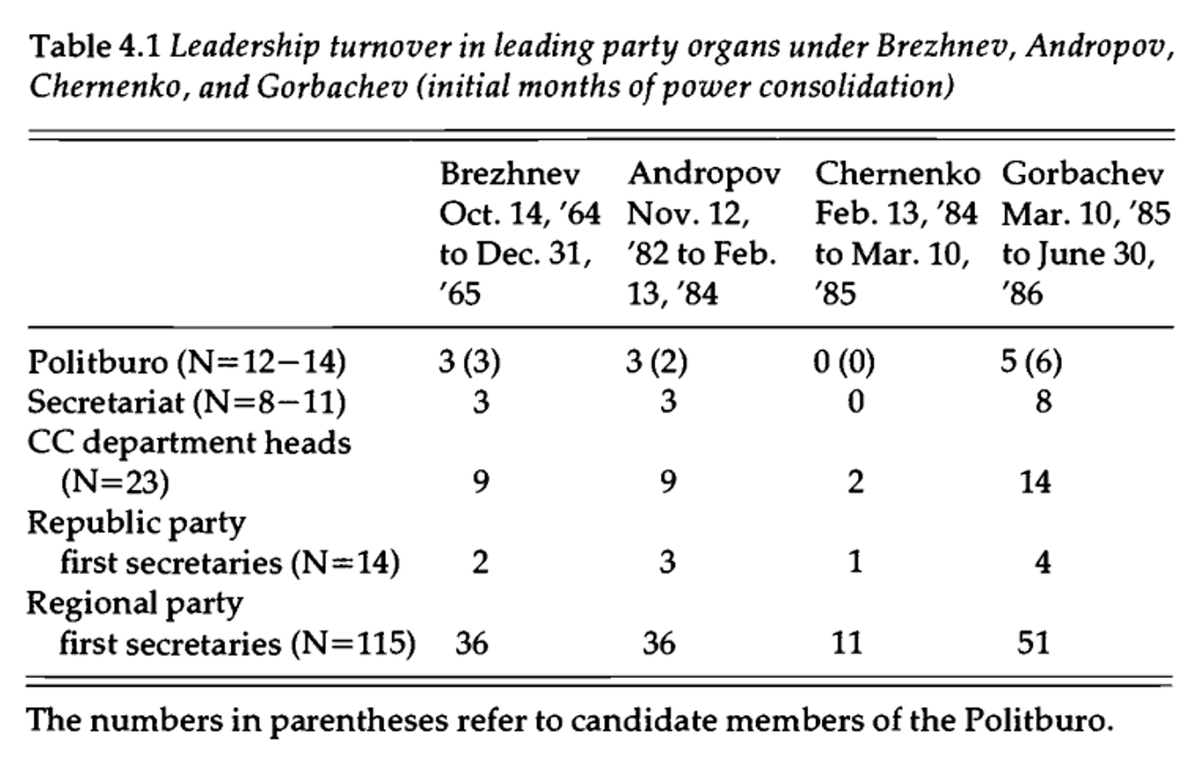
Most notably, Gorbachev neutered the traditional power of the Politburo and Secretariat by creating six new top-level decision-making commissions—the same strategy Xi Jinping pursued in China w/ LSGs and Commissions, which has helped him dominate the policy-making process. https:
1.5K views · 11 likes · 1 reposts · 1 replies Open on X →
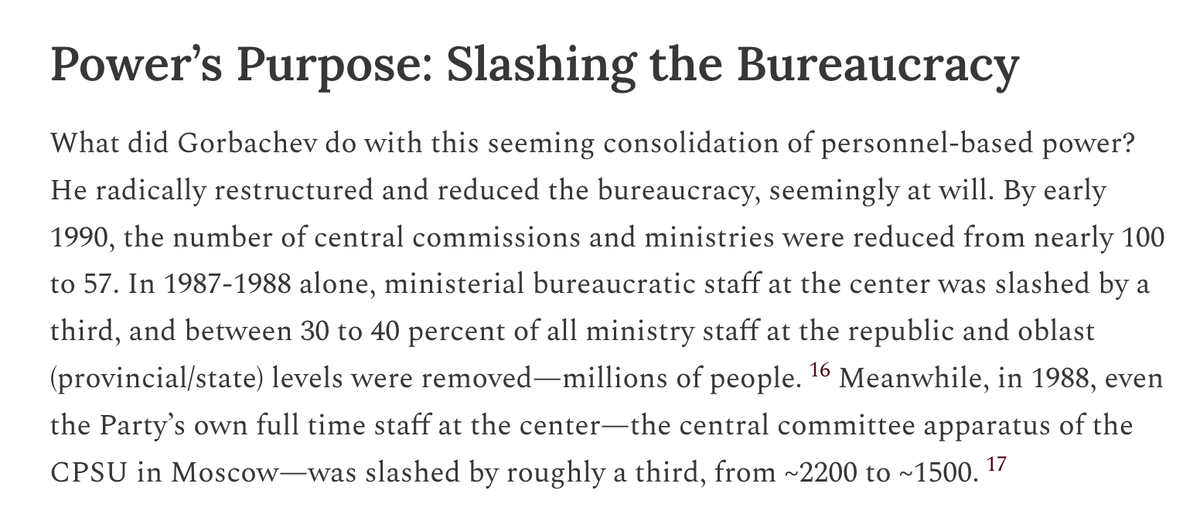
What did Gorbachev do with this seeming consolidation of personnel-based power? He radically restructured and reduced the "entrenched" bureaucracy, seemingly at will. Half the ministries were cut/consolidated. Central and local ministry staff reduced 30-40%—millions of people. h
2.5K views · 14 likes · 1 reposts · 1 replies Open on X →
The first problem is that Gorbachev was not weak. In fact, Gorbachev had laid waste to the old Politburo and Secretariat and consolidated personnel power with a speed never seen before in Soviet history. By 1987, eight of thirteen voting members had been newly elected since he h
1.4K views · 17 likes · 1 reposts · 1 replies Open on X →
I first read Struggle years ago and found it convincing. But I now think, and the essay argues, that the key points undergirding its "helpless" narrative are likely wrong. Getting the history right matters, as today's analysts draw on it for lessons: https://t.co/1GSwVG88Cc 2.3K views · 16 likes · 3 reposts · 1 replies Open on X →
Pictured is a more fulsome overview of the two narratives. Some may recognize the latter's resemblance to Zubok’s (2021) Collapse (see my generally positive review of the book in quote). There are key distinctions, but they are close cousins. https://t.co/NiGBwqpc0i https://t.co
2.2K views · 18 likes · 1 reposts · 1 replies Open on X →
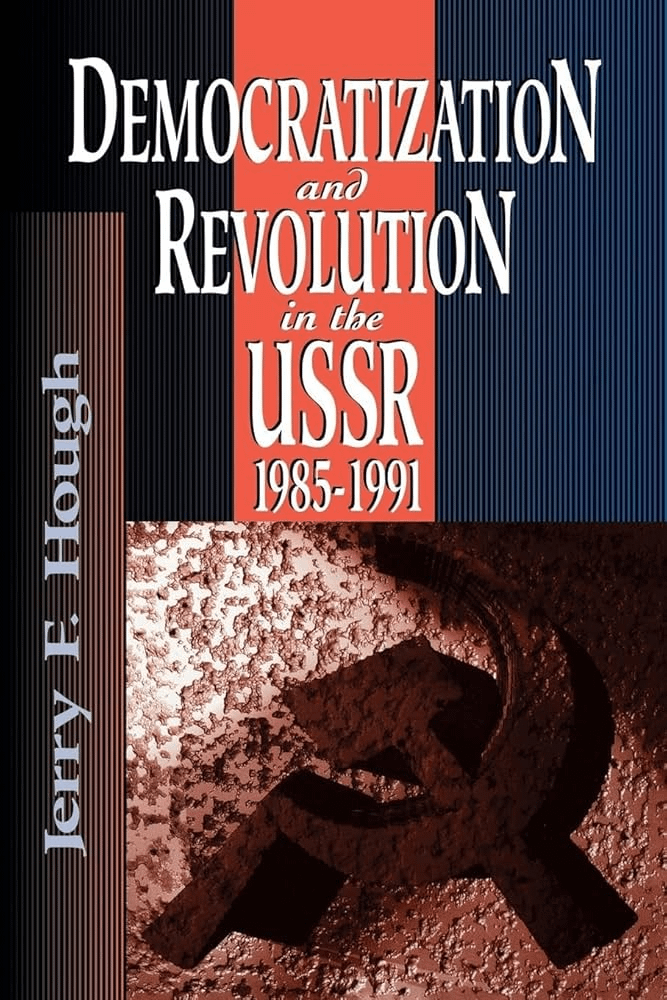
The second I term the "reckless" narrative—Hough's Democratization and Revolution (1997). It holds Gorbachev was powerful, and while a sclerotic bureaucratic structure existed, it hardly offered coherent resistance. The problem was with the reform process itself was botched. htt
1.7K views · 18 likes · 1 reposts · 2 replies Open on X →
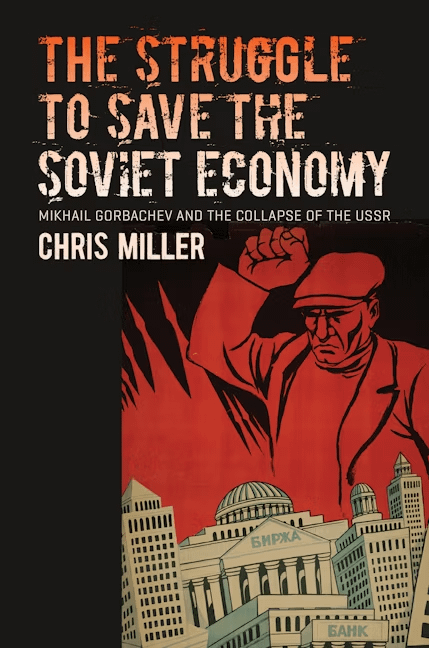
The first I term the "helpless" narrative, reflects the argument found in Miller’s Struggle (2016). It holds Gorbachev was weaker than anyone knew, and, despite valiant efforts, his economic reforms were stymied by powerful complexes of entrenched interests. https://t.co/gdpgfaO
1.9K views · 18 likes · 1 reposts · 1 replies Open on X →
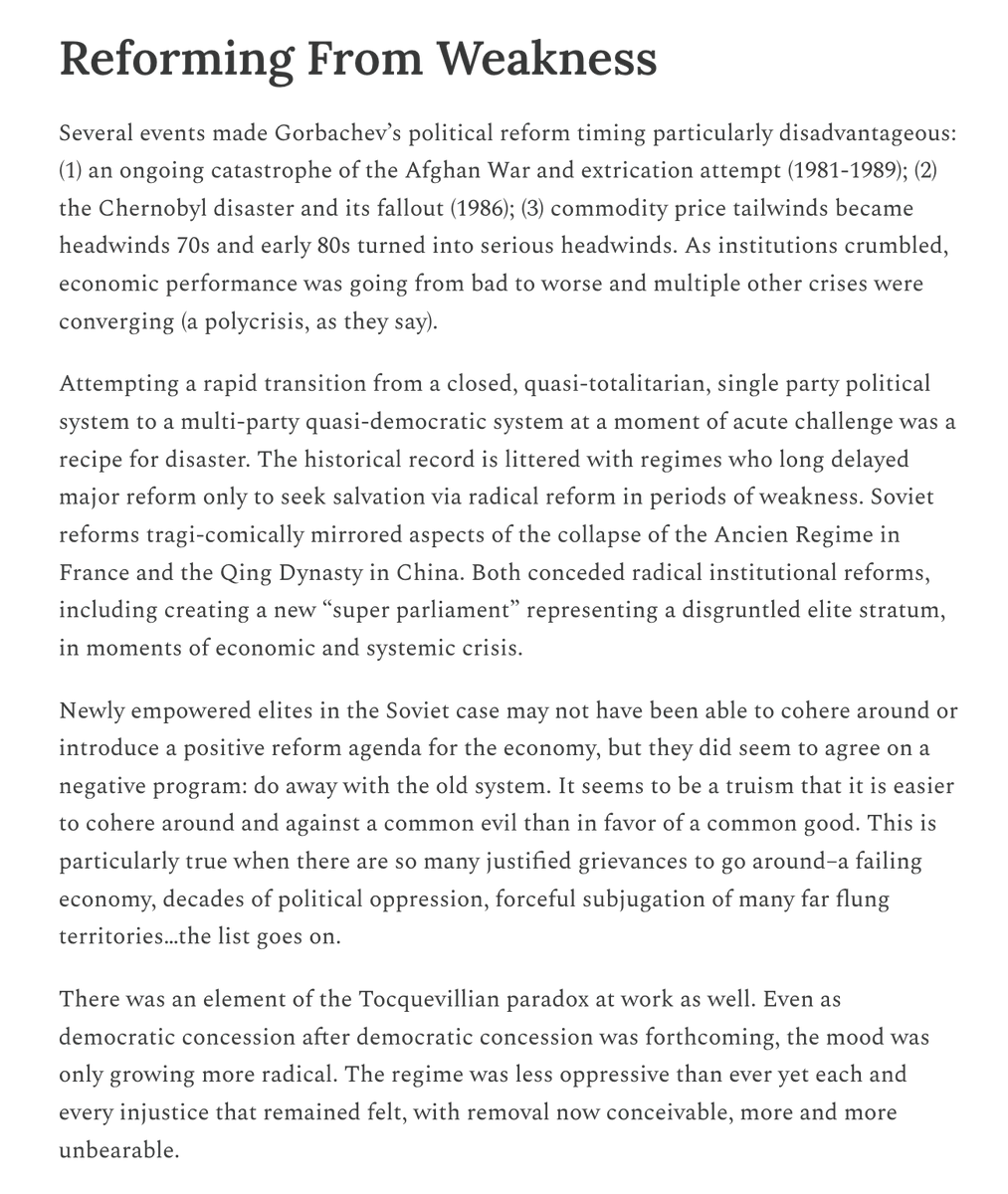
But the direct and proximate cause of collapse, and the reformability of the system, remains debated. The essay explores this debate by putting two books and their respective, almost diametrically opposed, narratives into a combative dialogue: https://t.co/PYwu48kI93
2K views · 27 likes · 2 reposts · 1 replies Open on X →
Most agree that the Soviet demise was rooted in deep problems with its economic system. An increasingly evident inability to make good on perhaps its central aspiration—cultivating an economic system superior to its Western neighbors—inspired a treadmill of reform efforts. https:
2.7K views · 29 likes · 2 reposts · 1 replies Open on X →
At the center of the analysis are assessments of the General Secretary’s power as well as the nature of “entrenched bureaucratic interests” within a Leninist system. The essay suggests some potential lessons—and pitfalls—relevant to China analysis today. https://t.co/jHGlMuVAik 5.2K views · 42 likes · 6 reposts · 1 replies Open on X →
The Soviet reform experience is a repository of ostensible lessons. But are we learning the right ones? My new essay assesses one debate: the role of "entrenched interests" in the failure of Soviet economic reform and the USSR's ultimate demise. https://t.co/l34UeKVmuE
112.5K views · 383 likes · 70 reposts · 10 replies Open on X →

Face aux comptes de taille comparable

6 posts des 90 derniers jours, à côté de la tranche de 10K–100K abonnés. diffusé à plus de monde que les comptes de taille comparable.
Vues médianes7 877ce compte924médiane pour 10K–100K
Portée, %65.44%ce compte3.62%médiane pour 10K–100K
Engagement, %1.19%ce compte1.52%médiane pour 10K–100K
IndicateurCe compteMédiane pour 10K–100KRapport
Vues médianes par post7 8779248.52×
Portée (vues ÷ abonnés)65.44%3.62%18.1×
Taux d'engagement1.19%1.52%0.79×

Autres comptes de cette tranche →   Comparer avec un autre compte →   Comment ces repères sont établis →

Growth & engagement

How the posts we collected actually performed: views and reaction rate post by post, what the audience did with them, and where the follower count goes.
Views per post

1K5 Feb
1.1K
1.2K
1.1K
947
1.2K
1K
297
19.9K10 Sep
110K14 Sep
8.2K
7.6K
3.2K
74315 Sep

Last 14 collected posts, oldest on the left. The scale is logarithmic: one post can outrun the rest a hundred times over.

Engagement rate per post

1.35%5 Feb
1.52%
1.26%
1.30%
1.48%
1.24%
1.24%
1.01%
0.65%10 Sep
1.40%14 Sep
0.99%
2.04%
0.59%
2.02%15 Sep

Reactions — likes, reposts, replies and quotes — divided by views. Median for 10K–100K accounts is 1.52%.

What the audience does

Likes51.6%2 431 in total
Reposts6.3%298 in total
Replies1.2%57 in total
Quotes0.9%44 in total
Bookmarks40.0%1 885 in total

Share of every reaction we collected for this account. Replies mean argument, reposts mean endorsement, bookmarks mean the post was worth keeping.
The follower curve appears once this account has two daily snapshots — we take one a day, and this one is on its first.

Comptes similaires

Frequently asked questions about @JonathonPSine

How many followers does @JonathonPSine have?

12 037 followers.

How many posts has @JonathonPSine published?

11 968 posts.

How do posts by @JonathonPSine perform?

Collected posts: 32. Views: 414 354. Likes: 3 166.