tweetindex
PT

David Hauser

@dh · Las Vegas · joined 29 Dec 2006

Built Grasshopper (sold it), co-founded Chargify, founded Vanilla. Scaling companies @Durable. Wrote a book, invested in 100+ startups. Into health, not hustle.

139 806Followers
1 532Following
6 439Posts total
84.3KViews on collected posts

Posts recentes

@dh Crazy, I was him in some American history wax museum as a child. I probably would have done the same regardless of desperation but with not much care towards our imaginary point system. Maybe I am weird, but even prior to LSD money was just a construct. I am a huge fan of tho 1 views · 0 likes · 0 reposts · 1 replies Open on X →
Follow @dh for more stories about how money actually moves in business. Join 15,000+ entrepreneurs at https://t.co/8kOw96kRfX for weekly insights on business, finance, and strategy. 982 views · 1 likes · 1 reposts · 0 replies Open on X →
Key Takeaway: Paying people more can be strategic. But only when productivity and profit can sustain it. Ford could afford $5 a day because the assembly line made each worker dramatically more productive. That technological leverage helped build the modern middle class. 1.5K views · 2 likes · 1 reposts · 1 replies Open on X →
Economists later called this “efficiency wage theory.” Pay above market rate. Get: • Better morale • Lower turnover • Higher productivity • Fewer hiring costs • Stronger culture The wage becomes a moat. Ford figured it out through trial and error. 165 views · 2 likes · 0 reposts · 1 replies Open on X →
Here’s the real lesson. Most companies think: Lower wages = lower costs. Ford discovered something sharper: Lower turnover = lower costs. And sometimes the fastest way to reduce turnover… Is to pay people more than the market expects. https://t.co/oDPSDZNSyn
1:42
198 views · 2 likes · 0 reposts · 1 replies Open on X →
This does not mean Ford was a saint. He crushed unions. He later dismantled the sociological program when it became too expensive. He was building efficiency, not utopia. But sometimes solving a narrow business problem triggers a broad economic shift (Good or Bad). https://t.c
245 views · 1 likes · 0 reposts · 1 replies Open on X →
When workers earned stable, meaningful wages, they could: • Save money • Own homes • Buy goods • Participate in the economy They became more than labor. They became consumers. That feedback loop — wages → spending → demand → scale — defined the 20th century. https://t.co/KeL3r
259 views · 1 likes · 0 reposts · 1 replies Open on X →
Here’s the myth some people still believe: Ford raised wages so workers could buy his cars. Nice story. But the math is obviously weak. Even if every worker bought a car, it wouldn’t have transformed sales. This was never charity. It was labor control. But it still had great
297 views · 1 likes · 0 reposts · 1 replies Open on X →
Competitors mocked Ford. They called him reckless. Then they quietly raised wages too. The eight-hour day gained momentum. Industrial pay standards shifted. One company had just reset expectations across an entire labor market. https://t.co/DvC5nv0JUu
0:50
288 views · 1 likes · 0 reposts · 1 replies Open on X →
Between 1914 and 1916, profits roughly doubled. Car production surged past 300,000 units in 1914. By 1915, over 500,000 Model Ts were sold. The “crazy” wage hike? Ford later called it "one of the best cost-cutting moves he ever made". Let that sink in. https://t.co/quafDCWctw
343 views · 2 likes · 0 reposts · 1 replies Open on X →
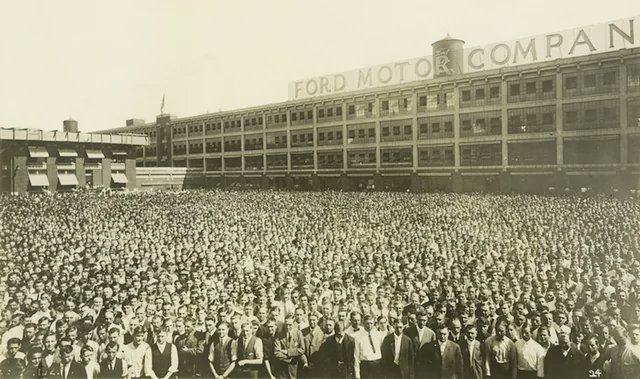
The reaction was immediate. Around 10,000 men showed up at the factory gates the next day. Police are even called to control the crowd. Within a year: Turnover fell from ~370% to ~16%. Absenteeism dropped. Productivity surged. The line stabilized. And Ford's profits rose. ht
364 views · 1 likes · 0 reposts · 1 replies Open on X →
Ford created a “Sociological Department.” Inspectors visit workers’ homes and check for: • Sobriety • Cleanliness • “Proper” family life • Thrift If you pass, you get the bonus. If not? You get six months to fix it — or you’re fired. Generous? Yes. But also intrusive. https
364 views · 2 likes · 0 reposts · 1 replies Open on X →
So Ford did something counterintuitive: He raised wages. Dramatically But the $5 wasn't pure wages. Base pay stayed around $2.34. The rest was profit-sharing — conditional. To qualify, workers had to meet strict lifestyle standards. https://t.co/srQJYjaasI
2:20
380 views · 1 likes · 0 reposts · 1 replies Open on X →
Workers hated it. Turnover hit around 370%. To keep 14,000 workers, Ford had to hire over 50,000 in a year. Every quit meant: • Production stops • New training • Lost output • Rising costs The machines were optimized. Humans weren’t. And that mismatch was expensive. 395 views · 1 likes · 0 reposts · 1 replies Open on X →
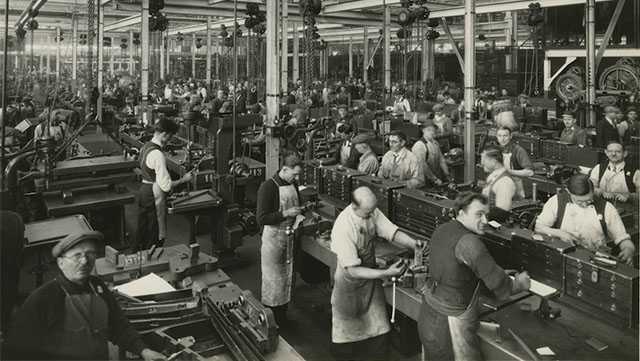
First, let's rewind. In 1913, Ford introduced the moving assembly line to build the Model T. Production time dropped from 12+ hours… to 93 minutes! Output exploded. Efficiency soared. But there was just one issue... The jobs became brutally repetitive. https://t.co/f32bisW6Y
464 views · 4 likes · 0 reposts · 1 replies Open on X →
On January 5, 1914, the Ford Motor Company made a shocking announcement: Workers would earn $5 a day for an 8-hour shift. For context: Factory workers then were making about $2.25–$2.50 for a 9-hour shift. Ford cuts the day to 8 hours… And then doubles the pay. The business h
2:08
964 views · 5 likes · 0 reposts · 1 replies Open on X →
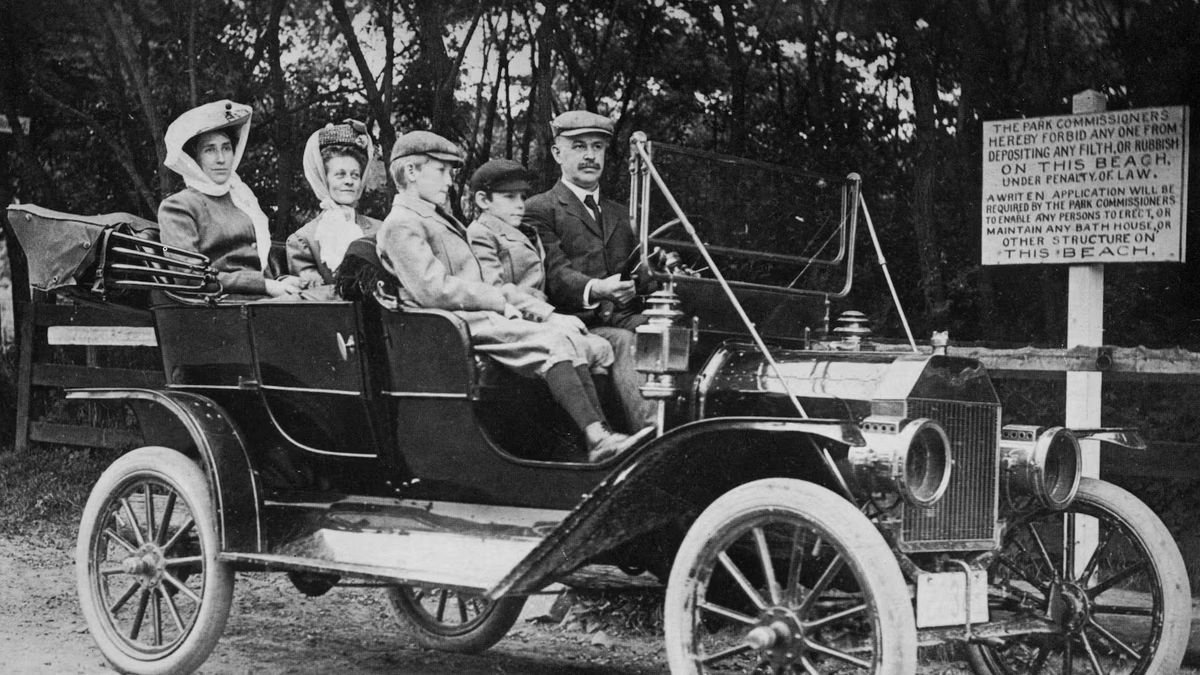
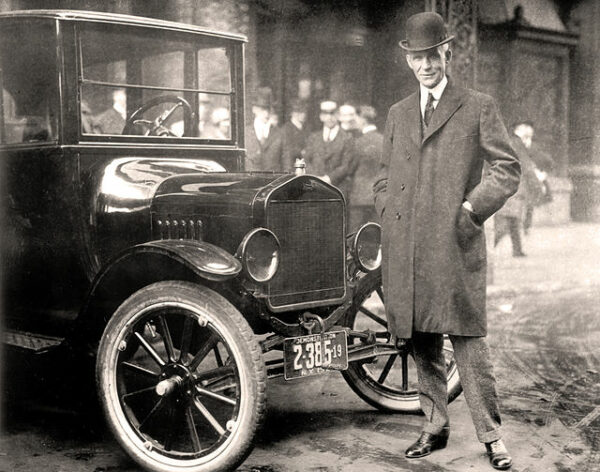
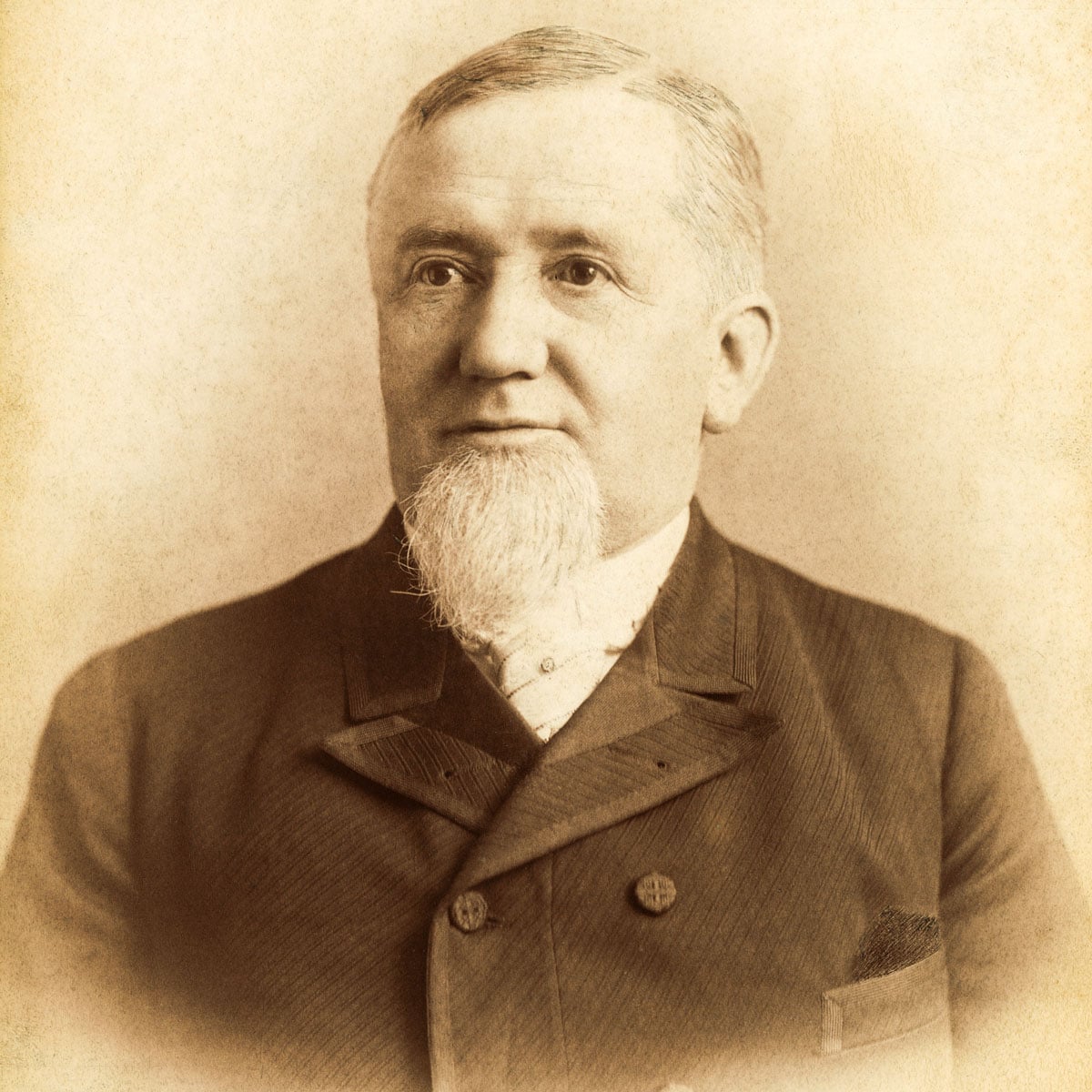
In 1914, Henry Ford made the most “irrational” business decision in America. He doubled wages. Cut hours. Paid factory workers more than anyone else. People thought it was generosity. It was desperation. And it changed the American economy forever. https://t.co/KF7s68xCQt
16.2K views · 88 likes · 19 reposts · 3 replies Open on X →
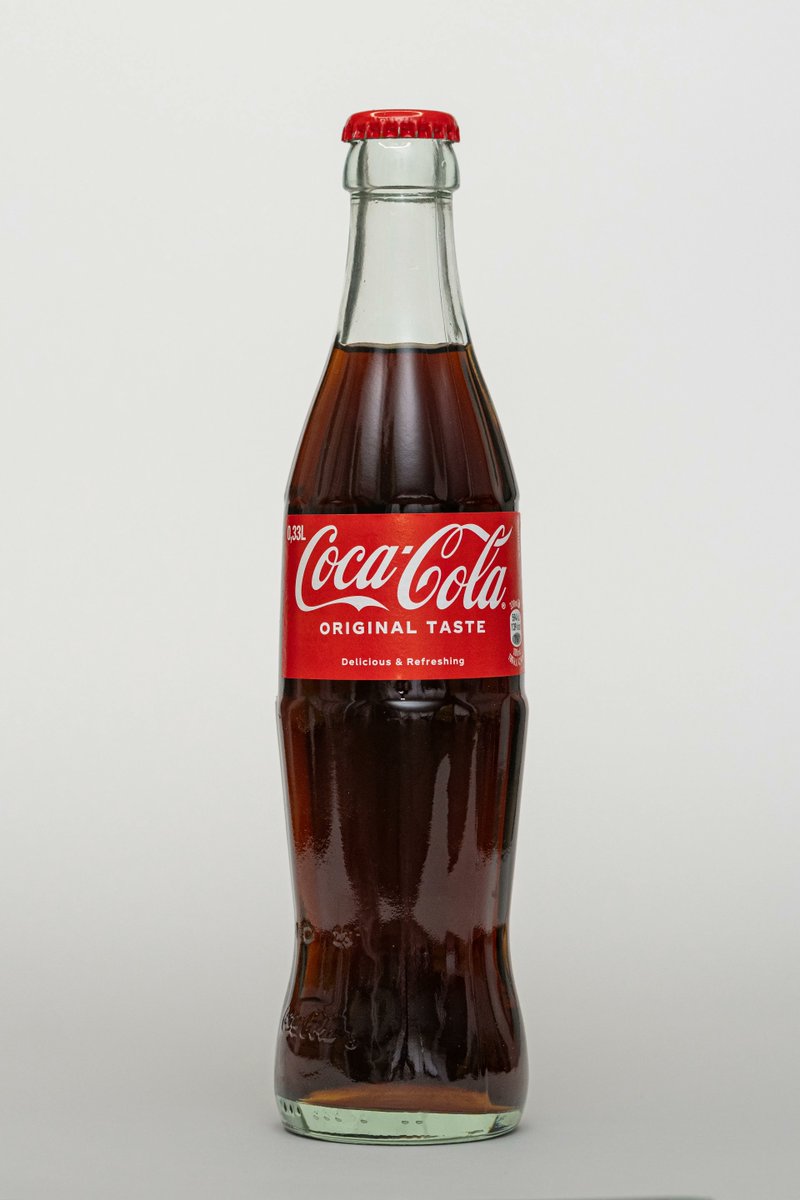
Soda isn’t worth shit. Anyone can make it. Yet one company turned a fizzy drink into a $340 BILLION empire. And they didn’t do it by making it taste better. Here’s how Coca-Cola became worth more than most countries’ GDP. https://t.co/NXhn8K5POF
12.3K views · 45 likes · 18 reposts · 3 replies Open on X →
Everyone says monopolies kill innovation. That’s the lazy answer. Because one monopoly built the digital world you’re using right now. In 1947, it created something that powers every phone, computer, and server on Earth. Yeah. The internet started with a monopoly. https://t.c
9.2K views · 65 likes · 20 reposts · 3 replies Open on X →
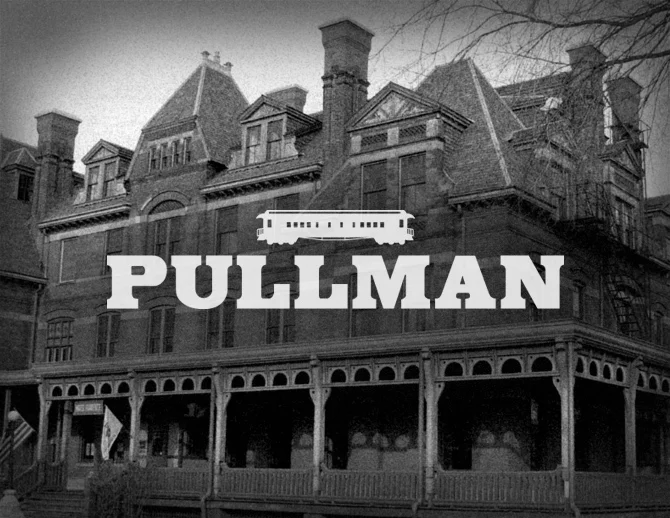
Your boss cuts your salary by 25%. You’re furious. But you still have to pay him… to live in your own house. Because he owns the house. The store. The water. The entire town. That actually happened in America. Welcome to Pullman, Illinois. https://t.co/vWIm4Y98GK
9.6K views · 63 likes · 19 reposts · 2 replies Open on X →
Follow @dh for more stories about how money actually moves in business. Join 15,000+ entrepreneurs at https://t.co/8kOw96kRfX for weekly insights on business, finance, and strategy. 466 views · 0 likes · 0 reposts · 0 replies Open on X →
The big lesson is not about making waiting fun. It is about shaping how people experience a problem. If you can shape the experience, you can turn the problem into profit. Next time you are in a long line, ask yourself whether it is inefficiency. Or whether it is engineered. 499 views · 0 likes · 0 reposts · 1 replies Open on X →
This model now exists everywhere. Uber’s "finding your driver" animation creates a progress illusion. Restaurant buzzers create managed anticipation. Apple Store appointments create structured scarcity. https://t.co/nYaZlNieMF
GIF
402 views · 0 likes · 0 reposts · 1 replies Open on X →
If Disney dramatically reduced wait times, fewer people would feel urgency to pay for Genie+. Shorter lines could mean less premium revenue. When the solution makes billions, fixing the root problem becomes less attractive. That is incentive design. https://t.co/O5BQdNmMqd
418 views · 0 likes · 0 reposts · 1 replies Open on X →
In 2024, Individual Lightning Lanes cost $15 to $25 per ride. In 2023 alone, paid line-skipping generated $2.8 billion. What used to be a free perk became a paid upgrade. The queue became monetized friction. Here is the economic tension. https://t.co/MvKlGtxIxe
0:14
472 views · 0 likes · 0 reposts · 1 replies Open on X →
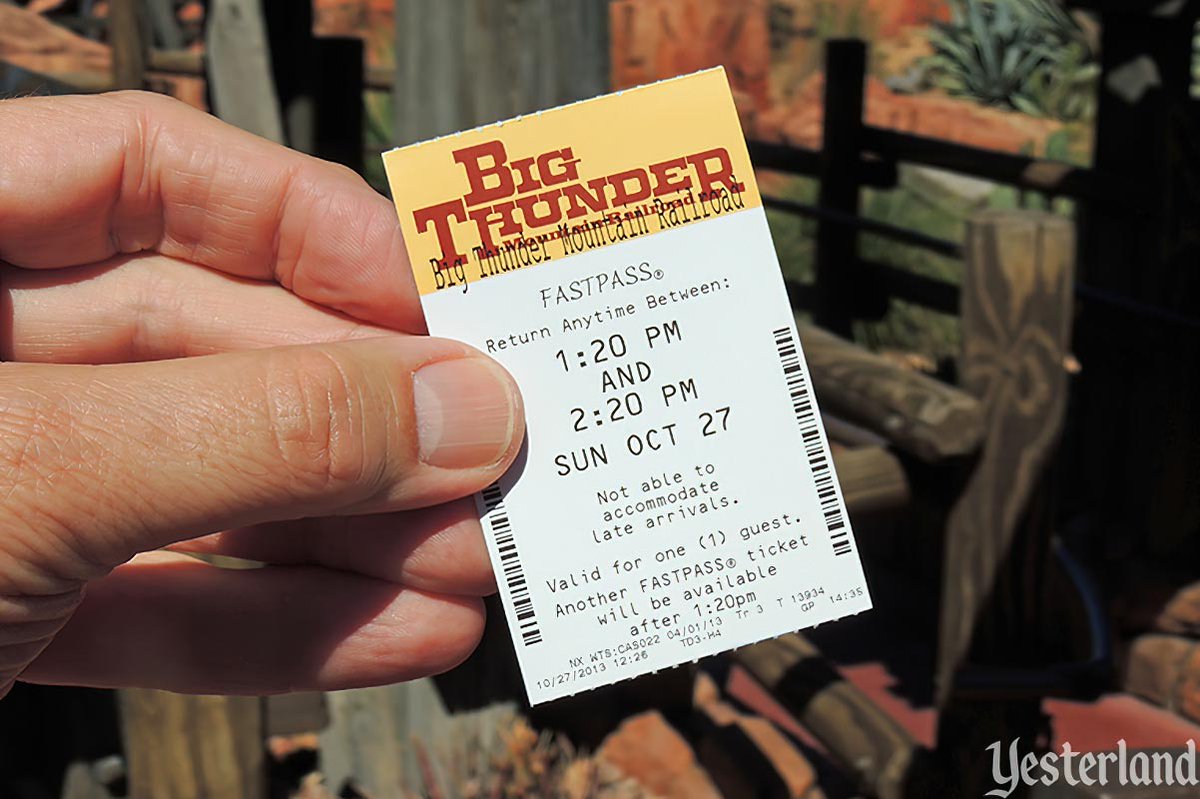
It helped distribute crowds. It improved the experience. It generated no direct revenue. Over time, that changed. In the 2010s, FastPass+ remained free but became more limited. In 2021, Genie+ launched at $15 to $35 per day. https://t.co/1WC15hwsUM
534 views · 1 likes · 0 reposts · 1 replies Open on X →
That illusion reduces abandonment. People rarely quit lines they believe are almost over. So far, this is clever design. But here is where it becomes a business strategy. In the early 2000s, Disney launched FastPass, which was free line skipping. https://t.co/4f4nYLdlG6
617 views · 0 likes · 0 reposts · 1 replies Open on X →
But it produces a different emotional outcome. Now look at the physical layout. Disney uses tight switchbacks and curved lines. You only see 10 to 20 people ahead of you at any moment. Not the 200 actually in front. Your brain thinks you are close. 660 views · 1 likes · 1 reposts · 1 replies Open on X →
That changes how your brain processes the delay. Then there is the perception trick. If the real wait is 45 minutes, the sign might say 60. You board early. You feel like you won. That small expectation gap creates relief and satisfaction. It's the same wait. https://t.co/G
757 views · 1 likes · 0 reposts · 1 replies Open on X →
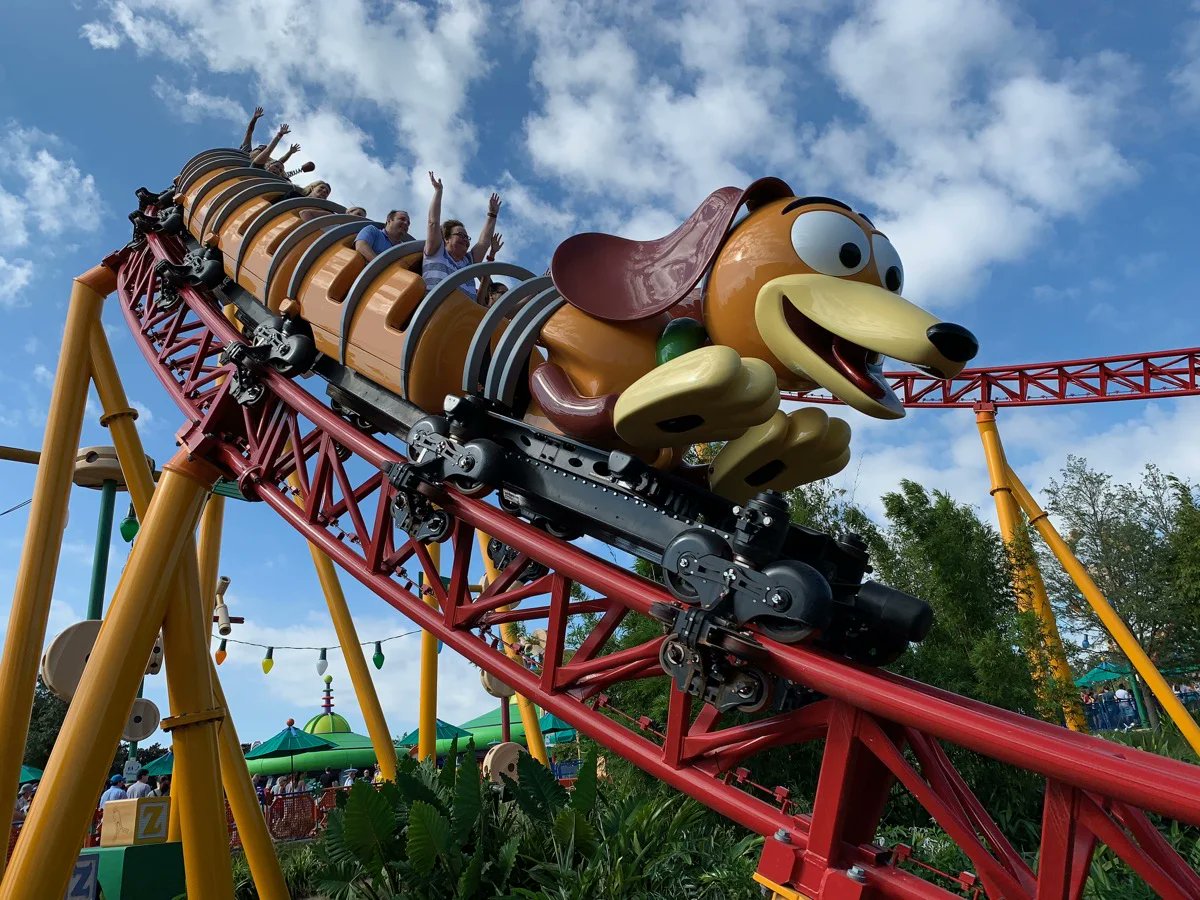
Seven Dwarfs Mine Train has you sorting gems. Indiana Jones has you decoding temple clues. Flight of Passage has you walking through a glowing alien forest. You’re not staring at a wall. You’re inside a story. The line becomes Act 1. https://t.co/hAUIWFRejT
0:22
842 views · 0 likes · 0 reposts · 1 replies Open on X →

Growth & engagement

How the posts we collected actually performed: views and reaction rate post by post, what the audience did with them, and where the follower count goes.

Views per post

39513 Mar
380
364
364
343
288
297
259
245
198
165
1.5K
982
125 May

Last 14 collected posts, oldest on the left. The scale is logarithmic: one post can outrun the rest a hundred times over.

Engagement rate per post

0.51%13 Mar
0.53%
0.82%
0.55%
0.87%
0.69%
0.67%
0.77%
0.82%
1.52%
1.82%
0.26%
0.20%
100.00%25 May

Reactions — likes, reposts, replies and quotes — divided by views.

What the audience does

Likes57.6%291 in total
Reposts15.6%79 in total
Replies6.9%35 in total
Bookmarks19.8%100 in total

Share of every reaction we collected for this account. Replies mean argument, reposts mean endorsement, bookmarks mean the post was worth keeping.

The follower curve appears once this account has two daily snapshots — we take one a day, and this one is on its first.

Contas semelhantes